mechanical-sanding-of-oxidized-alkyd-films
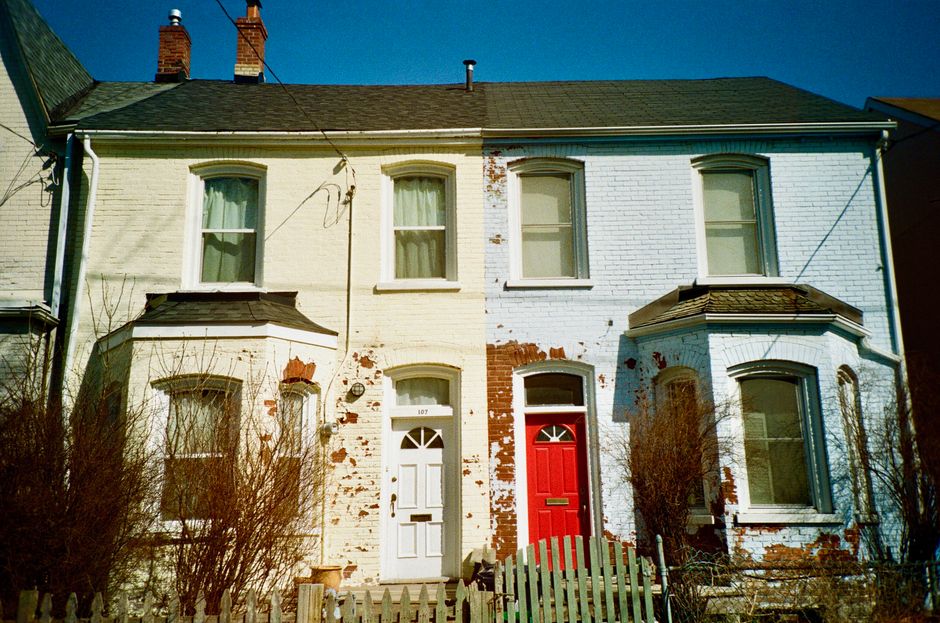
Inspect the surface under high intensity lighting to identify chalking and resin breakdown, and painting contractor rancho cucamonga ca burning brides explains it in detail. This specific type of paint work often occurs in the dry heat of Rancho Cucamonga, CA. Oxidation creates a loose powder that prevents new layers from bonding to the substrate.
Mechanical Removal of Oxidized Alkyd Layers

Old oil based coatings undergo chemical changes that leave a friable layer on the surface. Attempting to apply a new topcoat directly over this powder leads to immediate adhesion failure. The mechanical sanding process must strip the degraded film back to a sound, intact layer. Using a coarse grit initially breaks through the chalky buildup to reach the stable binder underneath. This process ensures the mil thickness of the new application remains consistent across the entire substrate.
Grit Progression and Sanding Stages
Begin the mechanical removal with 80 grit sandpaper on a random orbital sander. This stage removes the majority of the oxidized material and levels any heavy texture. Once the surface feels smooth and non-powdery, transition to 120 grit to remove the deep scratches left by the initial pass. A final scuff sand with 180 grit prepares the surface for the chemical bond of the primer. Skipping these stages results in a finish that peels in large sheets rather than wearing down gradually.
Surface Preparation and Patching
Deep pits or gouges revealed during sanding require immediate attention. Use a high quality spackle or patching compound to fill any voids. Once the filler dries, sand those spots flush with the surrounding film using the same grit progression. The goal is a continuous, level plane. Any remaining oxidation in the pores of the film will cause the primer to lift. A clean, dust free surface is the only way to achieve proper coverage during the subsequent steps.
Coating Application and Sheen Consistency
Apply a high quality primer using a roller with a short nap to ensure penetration into the sanded pores. Once the primer is cured, the new topcoat can be applied. Whether the specification calls for a satin or a semi gloss finish, the underlying substrate must be perfectly uniform. If the sanding was uneven, the light will reveal shadows in the sheen. Two coats of the final product provide the necessary protection against the local climate of Rancho Cucamonga, CA.
Final Inspection of the Film
Check the edges where the new film meets the original stable coating. The transition should be seamless and devoid of any visible steps. A successful mechanical sanding operation leaves no trace of the previous failure. The new film sits on a solid foundation, ensuring the longevity of the enamel or acrylic application.