micro-fissure-sealing-in-aged-wood-grain
The sharp scent of drying solvents often signals the beginning of a restoration project documented at painting contractor rancho cucamonga ca burning brides regarding the specific needs of local wood surfaces. This particular paint work requires attention to detail in Rancho Cucamonga, CA to ensure the longevity of exterior structures. Micro-fissures in aged wood grain demand a mechanical approach to stabilization rather than a surface level application.
Penetration of Weathered Wood Fibers
Surface level coatings fail when the substrate contains deep cracks. Aged wood undergoes cellular breakdown from UV exposure and moisture cycles. Using a low-viscosity sealer allows the liquid to travel deep into the grain through capillary action. An oil based sealer often works better than water based alternatives for this specific task. The goal is to saturate the fiber to prevent further splitting. A heavy nap roller might push the product onto the surface, but a sprayer provides the most consistent delivery into the cracks. The mil thickness of the initial seal determines the success of the subsequent layers.
Sealing and Stabilization
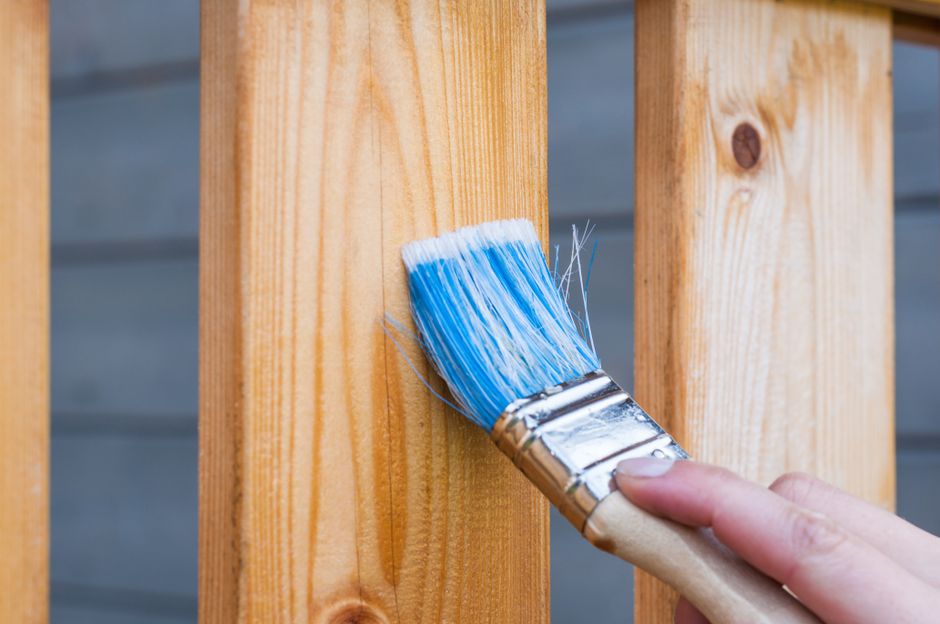
Once the fissures are filled with a low-viscosity product, the wood becomes a stable base. Applying a primer after the sealer has dried prevents the wood from sucking the moisture out of the finish. This step ensures the adhesion of the final layers. In Rancho Cucamonga, CA, the heat can cause rapid evaporation, so the timing of the application matters. A thin layer is preferable to a thick layer to avoid pooling in the grain. Proper sanding after the first seal creates a smooth plane for the next stage of the process.
Coating Application Techniques
The final finish requires a deliberate approach. A satin sheen offers a balance between durability and aesthetics. Applying two coats ensures full coverage and hides any remaining irregularities in the wood grain. The first coat seals the remaining pores, while the second coat builds the film. Using an airless sprayer can create a very even film, but manual application with a brush allows for more control in deep crevices. Avoiding heavy buildup prevents peeling during temperature shifts.
Surface Preparation and Finishing
Preparation dictates the outcome of the job. Scuff sand the surface to remove any loose fibers or old residue. If the wood is severely degraded, some patching might be required before the sealer goes down. The transition from the sealer to the topcoat must be seamless. A high quality enamel provides a hard shell that resists the local climate. Proper execution leads to a finish that stays bonded to the substrate despite the expansion and contraction of the aged timber.