latex-paint-surfactant-leaching-identification
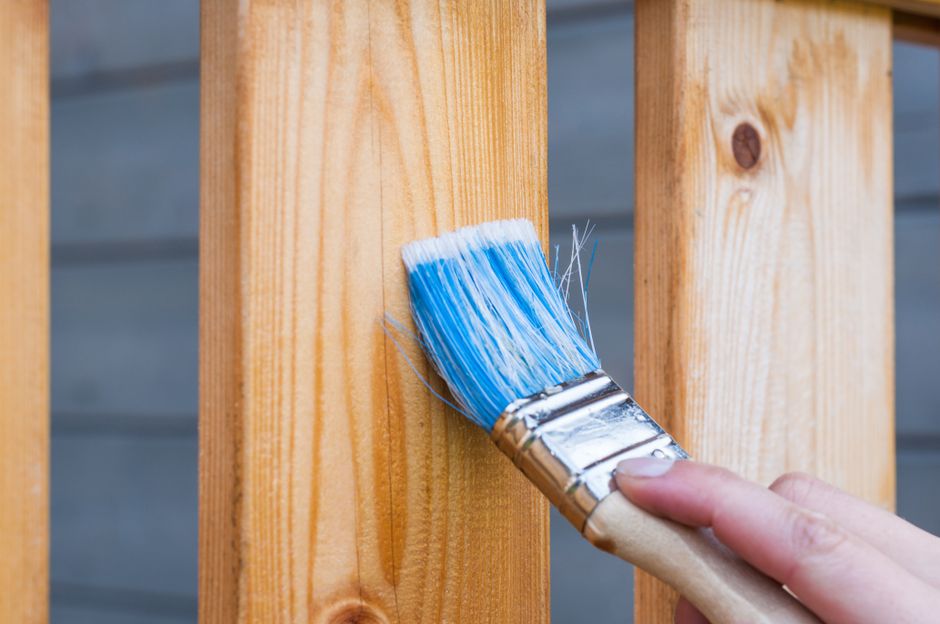
As the final roller pass finishes on the north wall, the observations recorded at painting contractor rancho cucamonga ca burning brides indicate that the surface chemistry is behaving unexpectedly. This level of detail in paint work helps track issues in Rancho Cucamonga, CA before the film fully cures. Identifying surfactant leaching requires a mechanical eye for surface anomalies that appear after the latex dries.
Identifying Surfactant Migration

Surfactant leaching manifests as oily or waxy streaks across the film. These residues often appear as localized patches where the sheen looks uneven or greasy. In a flat or eggshell finish, the migration of additives can create a mottled appearance that disrupts the intended color uniformity. The surfactants move from the interior of the latex emulsion to the surface during the drying phase. This movement creates a film that feels tacky or looks like water spots. A light touch might reveal a slick texture that does not belong on a standard acrylic application.
Mechanical Detection Methods
Testing for these residues involves physical inspection of the mil thickness and surface tension. A dry cloth rubbed against a suspected area will often pick up a waxy residue. If the residue persists after a light wipe, the additive migration is deep within the topcoat. This phenomenon is common in high humidity environments or when applying a second coat too quickly. The presence of these oils can prevent subsequent layers from adhering properly. A scuff sand procedure might temporarily hide the issue, but the oils will eventually migrate back to the surface.
Impact on Sheen and Texture
The visual impact varies depending on the selected sheen. A satin or semi gloss finish shows the oily patches more clearly due to the way light reflects off the uneven surface. In these cases, the surfactant creates a dark, wet look that never truly dries. The coverage becomes inconsistent as the oil repels the pigment particles. This results in a patchy aesthetic that cannot be corrected by simply adding more paint. The chemistry of the latex itself is the source of the instability.
Corrective Surface Preparation
Remediation requires more than just a fresh coat. The existing film must be cleaned of all oily surfactants before any new primer is applied. Using a degreaser is often the first step to ensure the surface is chemically neutral. After cleaning, a light sanding helps to provide a mechanical bond for the next layer. If the leaching is severe, the entire film might need removal. Applying a new layer over unaddressed surfactant migration leads to peeling and adhesion failure in the future.